 EN
EN
 IT
IT
Premio 2016/17 "DISABILITA' E INTERAZIONE. IL CORPO COME MEZZO DI ESPRESSIONE"
SECOND PRIZE FOR STUDENTS FROM INTERNATIONAL INSTITUTIONS
Studenti/Gruppo:
LAYCOCK Jack
York St John University | YORK UKQUELLO DI CUI SENTIAMO LA MANCANZA
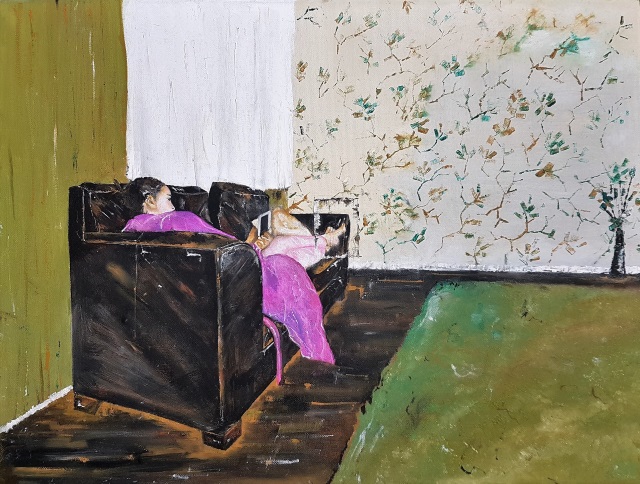
La neuropatia ereditaria con predisposizione a paralisi ricorrenti sensibili alla pressione (HNPP, chiamata anche neuropatia tomaculare) è una disabilità quasi nascosta. Essa coinvolge soprattutto gli arti, a volte eliminando l’abilità di controllarli anche per periodi lunghi, e in alcuni casi per tutta la vita. Questo mio lavoro coglie mia madre, che soffre di HNNP in uno stato di rilassamento. con il tempo freddo, l’HNNP provoca contrazioni nel suo corpo. Avere un periodo in cui può riposarsi e rilassarsi l’aiuta a mantenere il controllo della sua disabilità, rendendola in controllo della situazione. Uno degli unici segni che indicano questa disabilità sta nei piedi, e più precisamente in piedi molto arcuati. In questo mio lavoro i piedi sono quasi confusi con il divano, mostrando come in certe situazioni i suoi piedi possono diventare quasi inutili; questo è contrastato dal fatto che i suoi piedi sono incorniciati, richiamando l’attenzione sui piedi molto arcuati, che in un primo momento forse non verrebbero notati. Siccome i crampi sono più che comuni nell’HNPP lei indossa una fascia al braccio. a prima vista questo stesso potrebbe sembrare la disabilità, finchè ti rendi conto di quello di cui non ti sei accorto.
THE THINGS WE MISS
Hereditary neuropathy with pressure palsies (HNPP), Is a disability that is almost hidden to the naked eye. HNPP affects mostly the limbs, sometimes removing the ability to control them for long periods of time and in extreme cases, for life. This piece captures my mum (A sufferer of HNPP) in a state of relaxation. As the cold weather hits, HNPP causes her body to seize up. Having a period of time where she has the ability to sit back and relax helps her to keep control of her disability, putting her in charge. One of the only physical signs of the disability is in the feet and to be more precise, high arches. In the piece the feet are almost blended into the sofa, showing how in situations her feet can become almost useless, this is counteracted by the feet being framed, bringing the attention to the high arches which at first you would ignore. As cramps are more than common in HNPP she wears a hand brace, on a first glance this could be seen as the disability itself, until you realised what you’ve missed.’